

Electric vehicles (EVs) are becoming more popular across the UK, and this is only set to increase with the ban on new petrol and diesel cars coming into force in 2035. But the big question still remains: are electric cars actually good for the environment?
To answer this question, we’ve taken a closer look at the environmental impact of EVs, their benefits and drawbacks, and whether they’re really a green option for a sustainable future.
Are electric cars good for the environment?
The short answer is yes, electric cars are good for the environment, if you compare them to petrol or diesel cars. One main reason is they produce zero tailpipe emissions, which means they don’t release harmful gases like carbon dioxide (CO2), nitrogen oxides (NOx), or particulate matter into the air when you drive.
But, even though this reduces the overall greenhouse gas emissions of EVs, it’s also important to factor things like how they’re built and the electricity they use when weighing up how good they actually are for the environment.
Let’s look at the full picture, starting with some of the benefits of EVs.
Why electric cars are better for the environment
Zero exhaust emissions
Electric cars are generally better for the environment because, unlike combustion engines, they don’t have an exhaust pipe that produces lots of harmful emissions into the air. Traditional petrol and diesel cars emit CO2 and other emissions every time you drive. These contribute to climate change and poor air quality. In comparison, driving an EV doesn’t add to air pollution in this way.
Lower overall carbon footprint
Even when you factor in the electricity needed to charge them, EVs still tend to have a lower carbon footprint overall. That’s because the total carbon emissions involved in generating electricity are generally lower than burning fossil fuels (like petrol and diesel) directly.
Good efficiency
Another reason why electric cars are better for the environment is their efficiency. EVs convert more of the energy into actual movement than petrol and diesel cars, which waste a lot of energy as heat and noise. So, EVs generally use less electricity to travel the same distance than combustion engines use fuel.
Can be charged with renewable energy
EVs can also be charged by green energy from renewable sources like solar, wind, and hydropower. These energy sources don’t produce harmful emissions or contribute to climate change. So, charging an electric car with renewable electricity helps reduce its overall carbon footprint.
Benefits of electric cars for the environment at a glance
So, to summarise, there are a few major benefits of EVs on the environment:
Improved air quality
Lower greenhouse gas emissions
More energy efficiency
Renewable energy charging compatibility
All these benefits of electric cars show they’re a cleaner alternative in many ways to petrol and diesel.
But, that doesn’t mean they come without any downsides. Let’s have a look at the cons to consider too.
Are there disadvantages of electric cars on the environment?
While EVs have clear environmental advantages and trump petrol and diesel in many ways, there are still some drawbacks worth considering. So, what are the environmental downsides to EVs?
Downsides of EVs for the environment
Battery materials & mining impact
One of the main environmental downsides of electric cars is their batteries. EV batteries use materials like lithium, cobalt, and nickel, which need to be mined. This process can cause habitat destruction, and use a lot of water, which negates some of the environmental benefits of EVs.
Manufacturing produces more CO2
Manufacturing an electric car often creates more emissions upfront than building a petrol or diesel vehicle. According to The ECO Experts, CO2 emissions from electric car production are 59% higher than when producing traditional internal combustion engine vehicles.
But, because EVs produce fewer emissions over time, they generally make up for this higher initial impact over time.
Batteries are hard to recycle
As well as being less eco-friendly to produce at the moment, EV batteries can also be challenging to recycle when the car is at the end of its life. At the moment, recycling infrastructure is limited, and some battery components are difficult to get rid of in an environmentally friendly way.
However, investment in battery recycling is growing, and future improvements could help reduce waste.
Downsides of electric cars for the environment at a glance
The main issues for the environment are:
Battery material mining
High manufacturing emissions
Hard to recycle batteries
Despite these downsides, overall, the disadvantages of electric cars on the environment don't outweigh the benefits in most cases. But they do highlight the need for improvements in their production and the ability to recycle them, which will hopefully start to happen as EVs only become more popular.
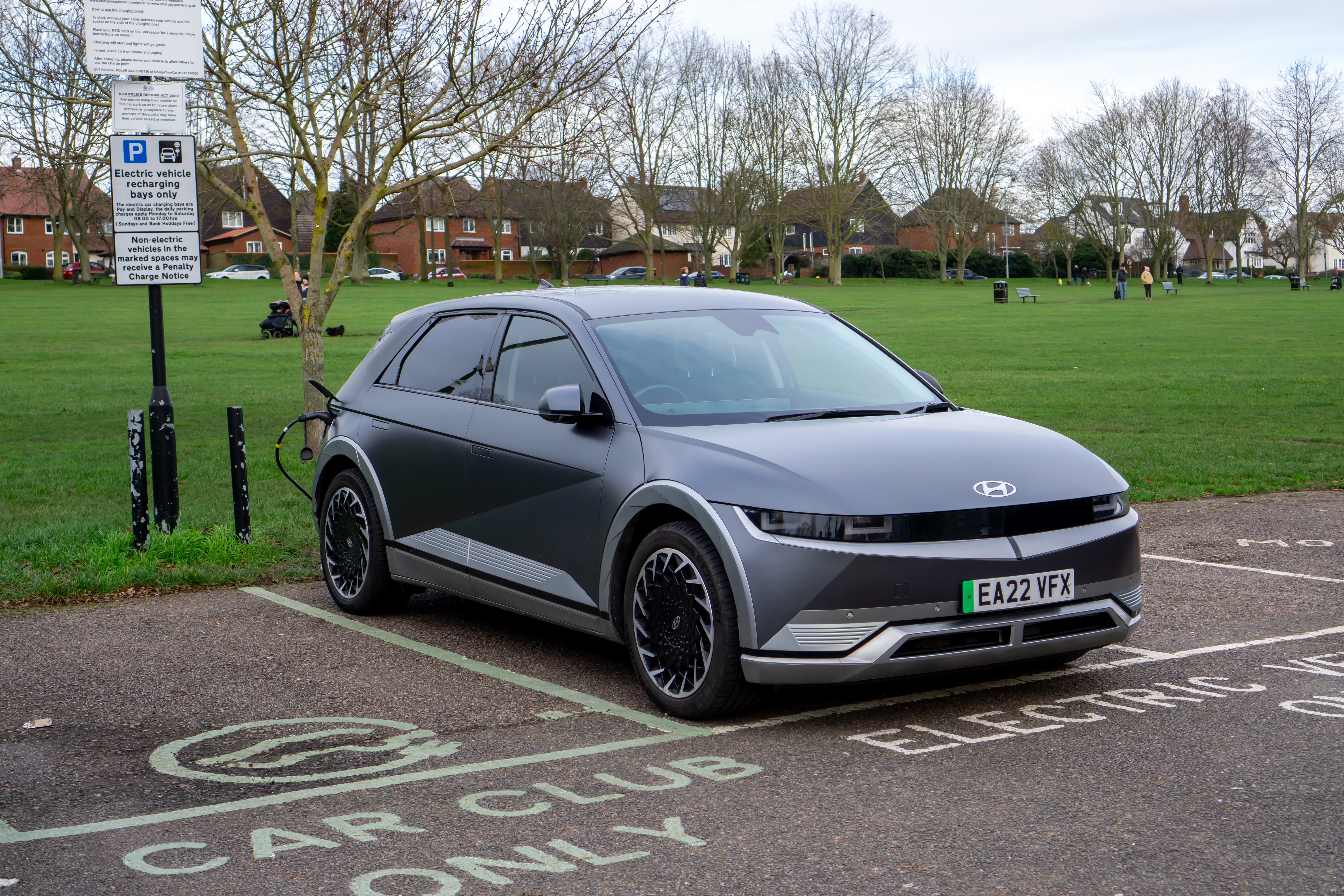
The takeaway: are electric cars sustainable?
In summary, are electric cars good for the environment? Yes, especially compared to petrol and diesel alternatives. They significantly cut air pollution by producing zero tailpipe emissions, are much more efficient than combustion engines and can even be charged with renewable energy.
But they’re not perfect, and the way they’re made and recycled needs improvement if they’re going to be truly sustainable for a greener future.
Thinking about getting an EV on finance? Get a quote to see what you could be eligible for.
Disclaimer: Car Finance 247 Limited is a credit broker, not a lender. Finance is subject to status and affordability. We do not give financial advice. No guaranteed offers. Please read our terms and conditions for full details.
-
How can electric vehicles contribute to a sustainable future?
While making EVs does use more energy and materials upfront, they make up for this over time by running more efficiently and not producing any tailpipe emissions, which are filled with CO2 and other harmful greenhouse gases. Plus, they can be charged using 100% renewable energy. Because of this they create far less pollution overall than petrol or diesel cars and contribute to a greener, more sustainable future.
-
How does EV charging help the environment?
Charging an electric car is still better for the environment than filling up with petrol or diesel, even if you're using electricity from the grid. That’s because generating electricity at a power station is more efficient than burning fuel in a car engine. Plus, you can choose to charge your EV using 100% renewable energy, like wind or solar.
-
Do electric cars reduce CO2 emissions?
Yes, electric cars help reduce CO2 emissions, especially over the long term. While they produce more emissions during manufacturing, they generally make up for this over time. EVs don’t release any emissions from the tailpipe and are more efficient than petrol or diesel cars, meaning they use less energy overall.