

Electric vehicles (EVs) have come a long way in recent years. With longer ranges and faster charging times, they’ve quickly become more and more popular for more drivers.
But how efficient are electric cars really, and what does efficiency even mean when it comes to EVs? If you’re thinking about getting an EV on finance but aren’t sure whether to take the plunge, this guide’s for you. Let’s break it down.
What is electric vehicle efficiency?
Electric vehicle efficiency means how far an EV can travel using electricity. Instead of measuring fuel economy in miles per gallon (MPG) like petrol or diesel cars, electric vehicles are measured in miles per kilowatt-hour (miles/kWh).
A kilowatt-hour (kWh) is a unit of energy. One kWh is roughly the amount of electricity needed to run a 1,000-watt appliance for one hour. So, when an EV travels four miles per kWh, it means the car can drive four miles using that amount of electricity. The more miles a car can travel per kWh, the more efficient it is.
EV vs combustion engine efficiency
Electric vehicles are very efficient. In fact, they blow petrol and diesel cars out of the water when it comes to efficiency. According to EDF Energy, EVs can be more than 70% efficient, with some models reaching as high as 90%! That means most of the electricity used goes directly into actually powering the car.
In contrast, most fuel-powered cars convert under 40% of the energy in fuel into actual movement. The rest is wasted on heat and noise.
So, there’s no question that EVs are much more efficient than combustion engines overall.
What affects EV efficiency?
There are a few different factors that can impact how efficiently your EV uses energy. The way you drive and even the weather outside can affect performance. Here are some of the main things that influence electric vehicle efficiency:
Vehicle weight and size – Heavier cars use more energy, especially when accelerating. Larger vehicles tend to be less efficient than smaller ones.
Driving behaviour – Hard acceleration, harsh braking, and speeding can significantly reduce electric vehicle efficiency.
Tyre condition and pressure – Under-inflated or worn tyres increase rolling resistance and reduce miles per kWh.
Aerodynamics – Less streamlined shapes or added extras like roof boxes can create drag and lower efficiency.
Road surfaces – Rough roads, hills, and frequent stop-start driving all use more energy than smooth, level routes.
Outside temperature – Cold weather can reduce battery performance and increase energy use for heating.
If you want to get the most out of your EV, paying attention to these factors could boost your range and therefore help cut running costs.
Electric car mileage per kWh explained
What does kWh mean in electric cars?
kWh stands for kilowatt-hour. It’s a way of measuring how much energy an electric car uses or stores. One kilowatt-hour is the amount of electricity used to power something that needs 1 kilowatt of energy for 1 hour.
In EVs, it's used to show battery capacity. For example, if an electric car has a 60kWh battery, it can deliver 60 kilowatts of power for one hour. Think of it like MPG in fuel cars. The higher the kWh, the more energy the battery can store and the further the car can go on a full charge.
What is a good miles-per-kWh rating?
A good electric car mileage per kWh rating is usually around 4 miles/kWh or more. Here's a general guide:
Excellent efficiency: 5+ miles/kWh
Good: 4 to 5 miles/kWh
Average: 3 to 4 miles/kWh
Low efficiency: Less than 3 miles/kWh
Remember, efficiency varies depending on conditions. Colder temperatures can lower your car’s performance, as can frequent motorway driving or carrying heavy loads.
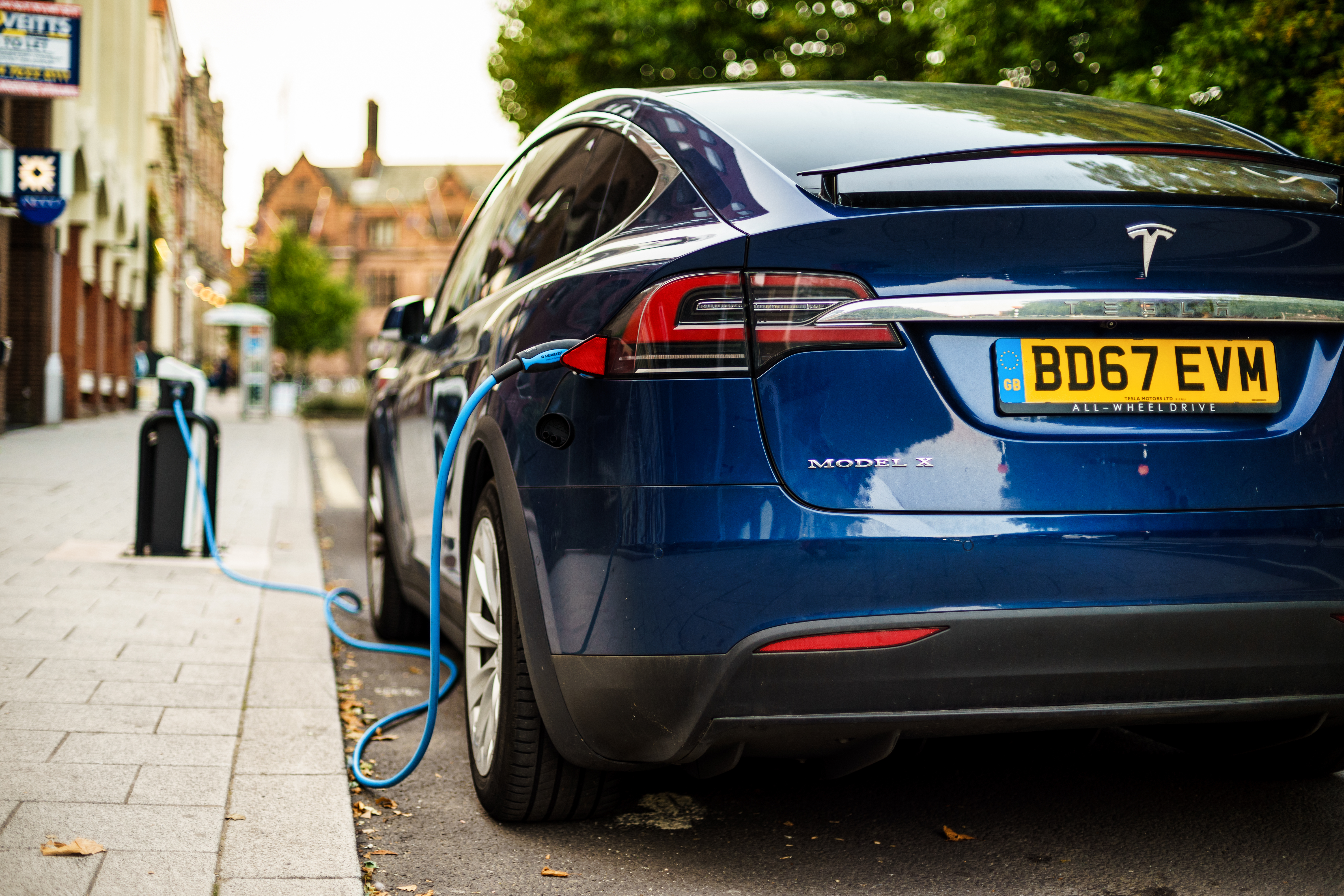
Electric car miles per charge – how far can EVs go on a full charge?
When considering an EV, one of the first questions many people ask is how far they can realistically travel on a full charge, especially if they’re worried about longer trips or daily commuting. But the good news is, according to the SMMT, the average range of a new fully charged EV is 236 miles (or two weeks of driving!).
But it’s worth bearing in mind that, when it comes to electric car miles per charge, the total range depends on battery size and how efficient the car is. A larger battery usually means a longer range, but weight and design also matter.
To make the most of each charge, drive efficiently and keep your car well maintained. Plan routes to avoid unnecessary acceleration or braking, and use eco-driving modes when available.
What is the most efficient speed for an electric car?
The most efficient speed for an electric car is usually between 45 and 60mph. This is the sweet spot where the car uses the least energy to keep going.
Driving at higher speeds increases wind resistance, which forces the car to work harder and runs your battery down quicker. On the flip side, stop-start traffic can also affect efficiency because speeding up uses more energy than steadily cruising.
So, motorway driving at moderate speeds is often more efficient than short trips with lots of stops.
Driving habits that help maximise range
To improve electric vehicle efficiency and get better electric car mileage per kWh, try adopting the following habits when you’re behind the wheel:
Accelerate smoothly and avoid harsh braking – Gentle acceleration uses less energy, and avoiding sudden stops helps save battery power.
Use regenerative braking – When you ease off the accelerator or brake lightly, the car slows down while converting some of that energy back into the battery, helping to extend your range.
Limit air conditioning and heating – Air con and heating can use a lot of power, so limiting this is a good way to save energy.
Stick to consistent speeds – Maintaining steady speeds, like with cruise control, also helps reduce energy use.
Small changes in how you drive can make a noticeable difference to your range, especially on longer trips.
The takeaway: how efficient are electric cars?
There’s no question, EVs are much more efficient than traditional petrol or diesel vehicles, but how far you get on a full charge depends on a few important factors. By paying attention to how you drive, your average speed, and the size of your battery, you can make your EV go further and save energy.
Want to get on the road in an efficient EV? Get a free quote today to see if you’re eligible for car finance – with no impact on your credit score. We use a soft search to give you a quote. If you proceed, a hard search will be conducted which may impact your credit score.
Disclaimer: Car Finance 247 Limited is a credit broker, not a lender. Finance is subject to status and affordability. Terms and conditions apply. We do not offer financial advice. Any quote provided is not a guarantee of approval.
-
How efficient is an EV compared to petrol?
EVs are generally 3 to 4 times more efficient than petrol cars. While petrol engines convert under 40% of the fuel’s energy into moving a car, EVs convert approximately 70% and can go as high as 90%. This means that EVs can travel further on the same amount of energy used, so they’re much more efficient to run.
-
How far does 1 kWh get you in an electric car?
On average, 1 kWh of electricity powers an electric car for about 3 to 5 miles, depending on the vehicle’s size, driving conditions, and efficiency. Smaller, lighter EVs tend to achieve the higher end of this range.
-
Are EVs 90% efficient?
Some EVs do have 90% efficiency. Electric vehicles often convert around 70–90% of the electrical energy from the battery into movement. This is significantly higher (and better) than petrol and diesel engines.