

With electric and hybrid cars rising in popularity, you might be wondering if buying a petrol car is still a good idea in 2025. There are lots of benefits to a petrol car, but potential downsides to be aware of too.
To help you make up your mind, we’ve explored the pros and cons of petrol cars, the type of person they might suit and how future changes could impact your decision.
The pros and cons of petrol cars
Advantages of buying a petrol car
Despite the shift towards electric and hybrid vehicles, petrol cars still offer several benefits:
Lower upfront cost – Petrol cars are generally cheaper to buy than their diesel or electric counterparts, which can make them a more budget-friendly option.
Better performance for short journeys – Petrol engines warm up quickly and perform efficiently on shorter trips, so they're ideal for city driving. If you don’t tend to travel long distances and don’t tow heavy loads, you may want to opt for petrol over diesel.
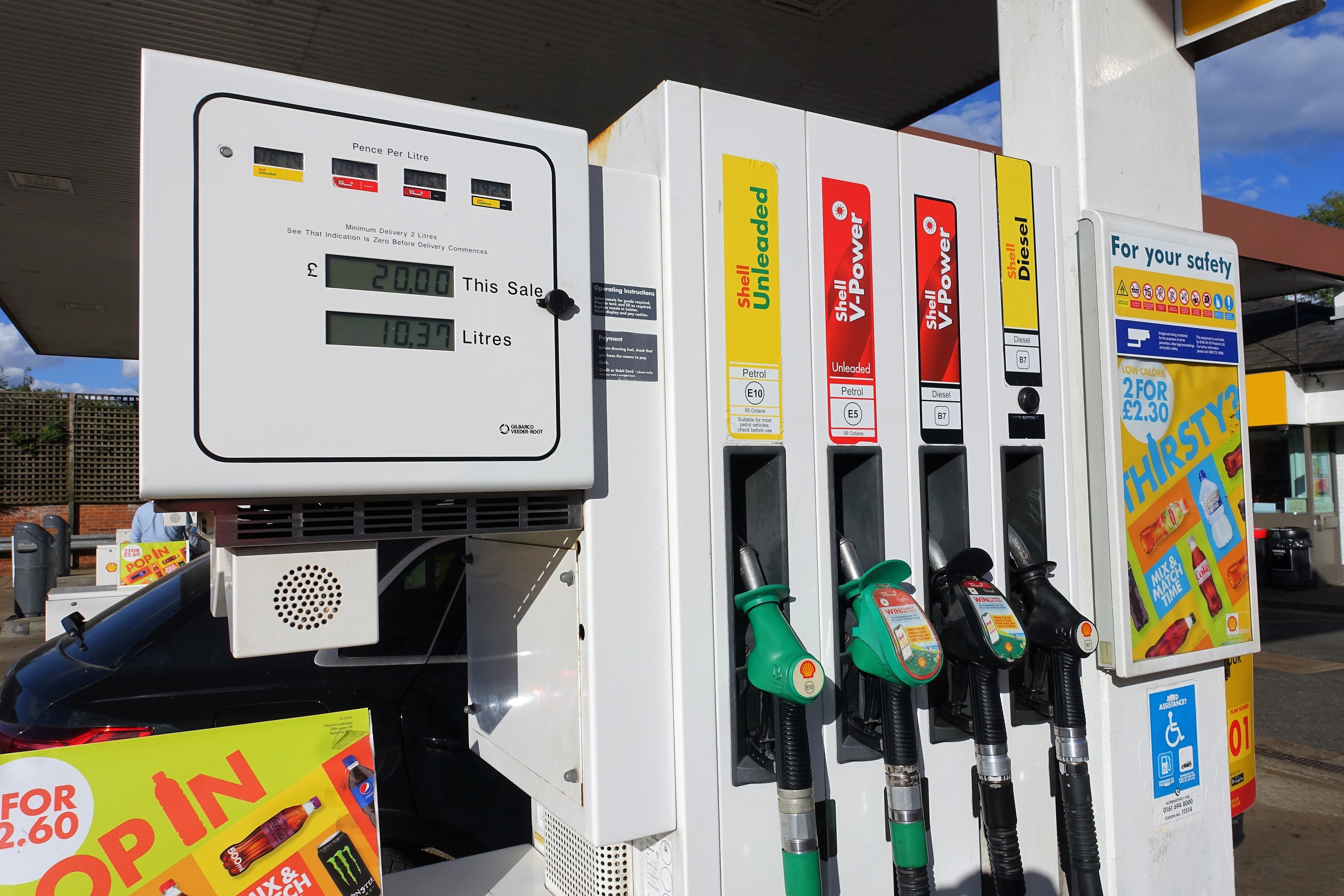
Wider availability – Petrol stations are more common than EV charging points, so you don’t have to worry as much about finding a place to refuel.
Lower maintenance costs – Petrol engines usually have simpler parts than diesel cars. This could lead to fewer expensive repairs or replacements.
Smoother and quieter drive – Petrol engines are usually quieter and smoother than diesel ones, which can make them nicer to drive.
Disadvantages of buying a petrol car
While petrol cars have their advantages, they also come with some downsides:
Rising fuel costs – Petrol prices go up and down, sometimes being higher than diesel. So, it's important to think about long-term running costs.
Not fuel efficient – Petrol cars usually use more fuel than diesel ones, especially on long motorway trips, so you may have to fill up more. For a full breakdown of how fuel efficiency works, read our guide to what is MPG.
Depreciation concerns – As more people buy EVs and hybrids, petrol car values could drop. This trend could make them a less cost-effective option in the long run.
Environmental impact – If going green is a priority for you, petrol isn’t the best option. Petrol cars emit more CO2 than electric vehicles, making them less eco-friendly.
Higher long-term costs – Petrol cars may face higher costs in the long term due to rising fuel prices, potential emissions-related taxes, and additional fees in low-emission zones such as ULEZ.
How long do petrol engines last?
Petrol engines are known for their reliability. A typical petrol engine has a lifespan of around 150,000 miles or 15 years with good maintenance, but this depends on several factors, including make, model and driving habits.
Regular servicing, like checking the oil and changing filters, is the single biggest thing you can do to help extend a petrol engine’s life. It’s also really important to consider how you drive. Gentle driving could reduce wear and tear on the engine, making it less likely to need maintenance over time.
If you tend to do long journeys more frequently than city driving, you should extend the lifespan of your petrol car too. Long journeys at consistent speeds can put less strain on the engine compared to frequent short trips.
Are petrol cars bad for the environment?
Yes, petrol cars are generally considered bad for the environment. They release carbon dioxide (CO2) and harmful pollutants like nitrogen oxides. They also emit particulate matter, which is bad for our health. Petrol cars also use fossil fuels, which are non-renewable and cause pollution.
Petrol cars usually pollute less than diesel ones and are therefore generally better for air quality. However, there are greener choices available. Electric vehicles (EVs) and hybrid cars produce fewer emissions making them better for the environment. If you’re looking for an eco-friendly car, it may be worth exploring whether an EV or hybrid is a better choice for you.
Are petrol cars affected by Clean Air Zones?
Yes, Clean Air Zones are not just a diesel issue; older petrol cars that don't meet certain emissions standards can also be subject to charges. The good news is, most modern petrol cars are compliant.
The emissions standard that determines whether a petrol car is exempt is generally Euro 4 or above. Petrol cars first registered from January 2006 onwards meet the Euro 4 standard and are usually exempt from Clean Air Zone and London ULEZ charges. But, there are some exceptions, so it's always worth checking if you need to pay for your specific vehicle.
The London Ultra Low Emission Zone (ULEZ) now covers most of Greater London. If your car doesn't meet the required Euro 4 emissions standard and isn't exempt, you'll need to pay a £12.50 daily charge each time you drive within the zone.
When will they stop making petrol cars?
The UK has set a target to ban the sale of all new petrol and diesel cars by 2030, and for all new cars and vans to be 100% zero emission by 2035. Some manufacturers have shared plans to switch to fully electric models sooner, and will phase out petrol models ahead of the target date.
If you’re considering a new petrol car, now might be a good time to buy while there are still plenty of options available. But there’s no need to panic; existing petrol cars will still be on the market and can be driven past these dates.
That said, for longer-term ownership, EVs and hybrids may prove more cost-effective. Because of the potential higher taxes and charges, there may be additional costs for maintenance or replacement parts for petrol cars as they become less common over time.
What will happen to petrol cars after 2030?
One of the biggest concerns for petrol car buyers is what the future holds, but the ban of new petrol and diesel car sales in 2030 doesn’t mean they’ll disappear overnight. It’s important to note that existing petrol cars will still be legal to drive, and if you buy a petrol car now, you will still be able to use it beyond 2030. And, if you want to buy one, petrol vehicles will continue to be sold and bought second-hand.
Petrol stations will also still be easy to find. But as electric vehicles grow in popularity, we will likely see more electric charging points.
What’s important to think about is the potential extra costs you might face with a petrol car over the years. Taxes could increase, and restrictions on petrol cars may increase in certain areas like congestion zones or clean air zones too.
Should I buy a petrol car in 2026?
Deciding whether to buy a petrol car depends on your individual needs and priorities. Petrol cars remain a practical, affordable choice for many drivers in 2026. They’re common, there’s lots of choice on the market and they’re easy to refill at the petrol station. For that reason, they may be seen as more convenient than electric cars at the moment, and also have a lower price point. Petrol cars could be a good choice if you plan to keep one for under ten years. This is because rules on petrol cars will slowly roll out to meet UK zero emission targets.
But, if you live in an area with frequent low-emission zones or if you plan to keep your car for many years, consider the long-term affordability of owning a petrol vehicle. You might want to factor in rising fuel and maintenance costs over time, potential emissions taxes and depreciation. For a full breakdown of what it costs to own and run a car, read our complete guide to car running costs.
Ultimately, the decision should be based on your driving habits, budget, and how long you intend to keep the car. If you’re looking for a short-to-medium-term vehicle, a petrol car could still serve you well. But, if you want to future-proof your purchase, exploring hybrid or electric options may be the smarter move.
The takeaway
Petrol cars remain a great option for many drivers. They offer affordability, easy availability, and simple refuelling. But, with stricter emissions regulations coming into place and the rise of EVs, they may not be the most cost-effective in the long term. We recommend consulting with a financial advisor if you are uncertain whether a petrol car is the right choice for your budget and long-term goals.
Whether you’re looking for a petrol car or a greener EV, you can find your new car on finance with Car Finance 247. Get a quote today or give us a call.
This guide provides general information about petrol cars and is not intended as financial advice. For personalised advice regarding your car purchase and financing options, please consult a financial advisor.