How much do cars cost to run? A complete guide


There are a lot of factors that go into the average cost of owning a car in the UK. It’s not just the upfront cost; cars come with ongoing expenses such as fuel, insurance, tax, servicing, and repairs. And, if you use car finance, the monthly repayments might be another key part of your budget.
With the cost of living crisis impacting many of us, keeping track of your car costs could be more important than ever.
So to help you budget and plan ahead, here’s a breakdown of the costs to consider when buying a car you may want to factor in.
How much does a car cost per month on average?
According to NimbleFins, the average car running cost in the UK in 2026 is £3,490..
This figure could be a handy benchmark to work out how much it might cost you to own a car, but it’s only an average. Different cars and how much you drive may impact how much fuel you use.
For example, if you pick a small, fuel-efficient car or an EV, and don’t drive much, you might spend less. On the flip side, if you buy a large SUV and clock up the miles, you could end up paying more.
Let’s look into what new car costs you might need to weigh up once you’ve bought your car.
What car running costs are there to think about?
When people ask about the cost of owning a car, they may only be thinking of fuel and insurance, but there are several other expenses you might want to keep in mind:
● Fuel costs
● Car tax costs
● Car insurance costs
● Car servicing and maintenance costs
● Car finance costs if you choose to spread the cost
● Other potential car costs
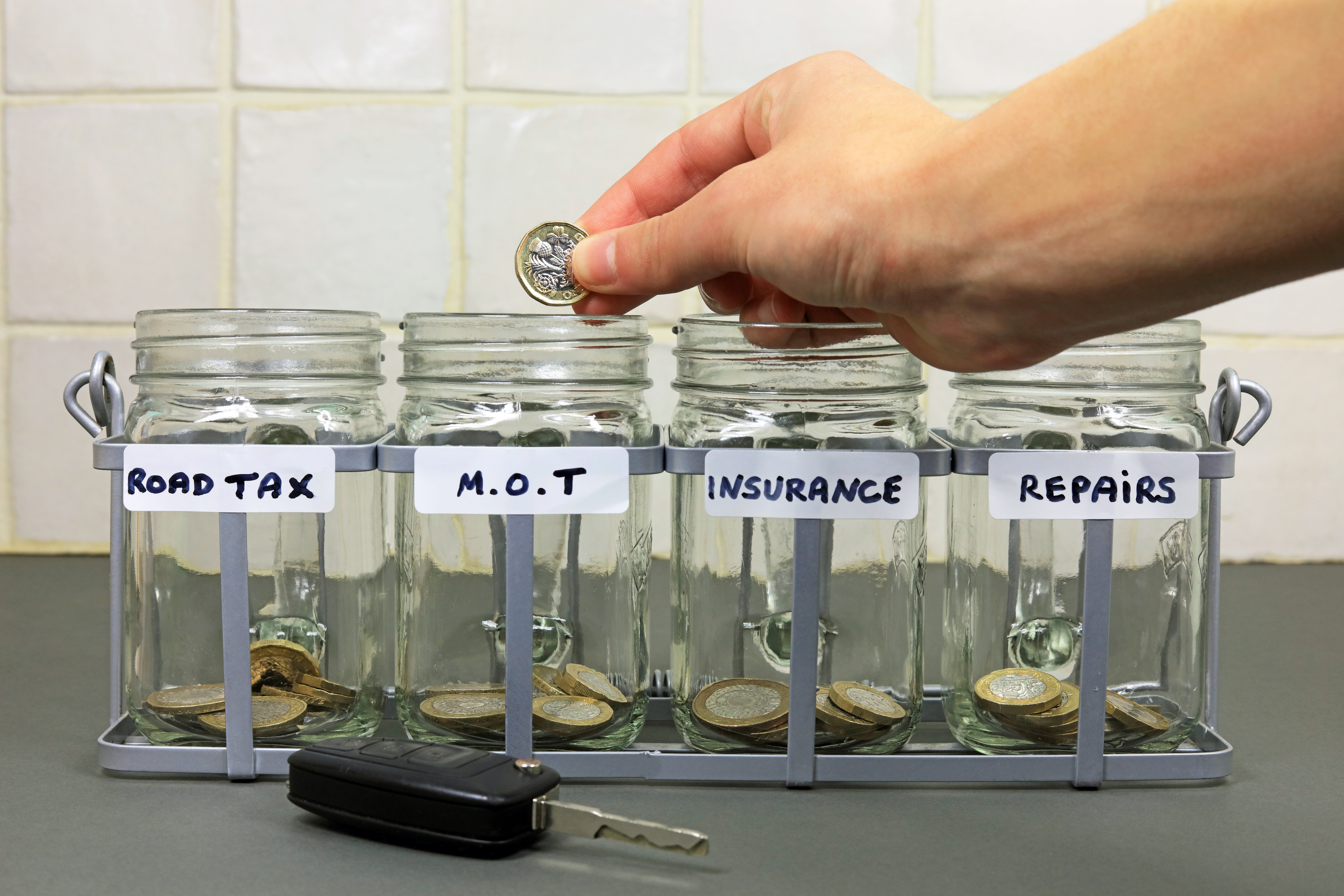
All of these combine to form the average cost of running a car in the UK, and it could be a good idea to factor them all into your budget.
Here’s a more detailed breakdown of car costs to think about. Remember, costs will vary depending on how much you drive, how often and your driving style.
Fuel costs
Fuel could be one of the biggest car running costs. How much you spend may depend on your car’s efficiency, how far you drive, and fuel prices in your area. Drivers who mostly do short trips in cities may spend less, but if you frequently do long‑distance commute or have a big family car, you’ll probably spend more. To understand how fuel efficiency works, read our guide to what is MPG.
What's the average fuel cost per year?
According to a cost breakdown by NimbleFins, car fuel costs average around £1,164 a year based on April 2026 data.
What's the average diesel cost per year?
Using the same April 2026 data, the average cost per year to fuel a diesel car is £1,548. This is because, although diesel cars usually offer better fuel economy, they are often driven further each year, which could lead to higher annual fuel costs than petrol cars.
What’s the average cost to charge an EV per year?
How much it costs to charge an electric car per year depends on where you charge it and how far you drive. But according to Love Electric, a driver doing around 10,000 miles per year could expect to pay approximately:
● £300 per year when charging at home on an off-peak tariff
● £750 per year when charging at home on a standard electricity tariff
● £2,300 per year when relying on public rapid chargers
Charging at home is usually the most cost-effective option, especially if you can take advantage of cheaper overnight electricity rates. And if you do fewer than 10,000 miles a year, charging costs could be even lower.
Read our guide to the true cost of charging an EV to learn more.
Car tax costs
Car road tax costs might be another regular expense. Officially called Vehicle Excise Duty (VED), car tax is a government charge for keeping a car on UK roads. VED based on factors like the vehicle's CO2 emissions, fuel type, and when it was first registered. In general, cars with higher emissions tend to pay more tax, while lower-emission vehicles usually pay less.
EV car tax costs in the UK
EVs are no longer exempt from VED. Since April 2025, most new and existing electric cars have had to pay vehicle tax, although they generally pay lower first-year rates than higher-emission petrol and diesel cars.
However, the government plans to introduce a new pay-per-mile road charge from April 2028, with electric car drivers paying 3p per mile and plug-in hybrid drivers paying 1.5p per mile. These rates would increase each year with inflation.
Read our guide on a beginner’s guide to car tax for more general information.
Car insurance costs
Insurance is another factor in the total cost of owning a car and could be one of the more expensive regular payments. You need car insurance to legally be on the road, so it’s not something you can avoid.
Your premium depends on a mix of factors which may include your age, driving experience, accident history, the type and value of your car, where you live, and even your job.
Younger drivers and those who have recently passed their test often pay more because they're seen as a higher risk. If you've had accidents, made insurance claims, or picked up driving convictions in the past, your premium could also be higher.
The type of car you drive matters too, as more powerful or expensive cars usually cost more to insure. Insurers may also look at where you live, how many miles you drive, and how you use your car.
Premiums may rise and fall over time, which is why shopping around each year could be a good way to try and save money.
Car breakdown cover
Breakdown cover isn’t a legal requirement, but it’s advised. If your car breaks down, it can help cover the cost of roadside assistance, recovery, or getting you home. Prices vary depending on the level of cover you choose, but according to Uswitch, breakdown cover can typically cost between £20 and £100 a year. Car servicing and maintenance costs
Keeping a car on the road takes more than just filling the tank. Servicing, MOTs, and occasional repairs could be an unavoidable part of the cost of owning a car.
Car MOT costs
Cars over three years old need an MOT every year. Garages charge a maximum of £54.85 for an MOT test. They’ll check all safety features of your car, including the engine, the clutch and the gearbox to make sure you’re safe to be on the road.
Bear in mind, if any issues are found, repairs might be costly. Even if your car passes the MOT, you may need to pay for small fixes like bulbs, wipers, or brake pads.
Car servicing costs
Another cost of a car is the servicing. It’s not a legal requirement, but regular servicing helps keep your car reliable and could prevent bigger, more expensive problems down the road.
According to the RAC, a full car service costs between £170 and £400 depending on the size of your car.
Car tyre costs
Tyres are another car maintenance cost as they need replacing as they wear down. In the UK, tyres must have a tread depth of at least 1.6mm to be road legal.
According to Checkatrade, the average car tyre replacement costs is around £100, but car tyre costs can vary depending on the size of your vehicle and the type of tyre you choose.
Car finance costs
Calculating the monthly cost of a car on finance
If you choose to finance a car, this is another element to factor into your budget. At Car Finance 247, we could offer Hire Purchase (HP) and Personal Contract Purchase (PCP), subject to status and eligibility.
With these options, car finance costs are spread over fixed monthly payments, plus interest.The main cost is the interest charged on the amount you borrow, which means you'll usually pay back more than the car's upfront purchase price over your loan term.
It’s a good idea to add the monthly and total expense into the overall cost of running a car to make sure it's something you can afford.
Using our free and simple car finance calculator may help you work out the monthly cost of owning a car on finance. It helps you get an idea of what your payments could look like and whether they fit comfortably in your budget with your other car running costs. Representative APRs and eligibility will vary based on individual circumstances.
Other potential car costs
There are also a few other costs that don’t necessarily affect all drivers but should be considered too. For example:
Depreciation: Depreciation isn't a running cost, but it affects how much your car will be worth when you come to sell or part-exchange it.
Parking and storage: If you don’t have a drive and you need a resident parking permit, it could also cost you a lot of money. Costs vary depending on the local council. In some cities a permit is under £100 annually, but in places like London you could pay more than £700 to park an old diesel.
Low emission zones: Some cities also charge certain vehicles to drive in low emission zones, which could add up to £12.50 per day to your running costs.
Speeding tickets and LTN charges: A typical speeding fine is £100 and three penalty points on your licence.
Toll roads, bridges and tunnels: Some routes like the M6 motorway charge a toll, with drivers typically paying between 50p and £10 per journey depending on the road.
Car essentials and accessories: Items such as screenwash, coolant and brake fluid can also add up. And you might also want to invest in a steering wheel lock, which can range in price from £15 to £100+.
How to reduce car costs
There are things you could do to try and reduce costs and save money as a car owner:
Shop around for cheapest fuel: Fuel prices can vary between stations, so using fuel comparison websites can help you find the cheapest option near you and cut down your overall fuel spend.
Drive conservatively: Smooth, steady driving and avoiding harsh braking or acceleration can help improve fuel economy and reduce how much you spend on petrol or diesel.
Charge EV overnight on a cheap tariff: If you have an electric car, charging overnight on a cheaper tariff can significantly lower your electricity costs compared to other times of day or using public chargers.
Take public transport, walk or cycle where possible: Using alternative transport for shorter journeys can reduce fuel use, parking costs and wear and tear on your car.
Get an insurance black box: ‘Black box’ insurance that tracks your driving can also be significantly cheaper than standard insurance so may be worth considering.
Keep up with maintenance: Regular servicing, correct tyre pressure and fixing small issues early can help avoid bigger, more expensive repairs later on.
The takeaway
Owning a car is convenient for many people and gives you lots of freedom, but it does come with ongoing costs that could quickly add up. From fuel and insurance to servicing and finance, it’s important to know the average cost of running a car to help you plan realistically.
By budgeting for all your car running costs, comparing insurance and finance deals, and keeping up with maintenance, you could manage the cost of owning a car more effectively.
Ready to look at your options? Get a free quote today.
Disclaimer: Car Finance 247 Limited is a broker, not a lender. Finance is subject to status and affordability. We do not give financial advice. No guaranteed offers. Please read the terms and conditions carefully.
-
Are car costs going up?
Although purchase prices and costs like fuel are generally going up, owning a car is, in many ways, still cheaper than it has been in the past. This is because they are simply much more efficient and reliable. Plus, modern engines use less fuel to cover the same distance, so drivers get more miles per litre than older cars.
-
Are EV car costs lower?
Electric vehicles can often be cheaper to run than petrol or diesel cars, mainly because electricity costs less per mile than fuel. But, how much you save depends a lot on how you charge. Drivers with access to a home charging point, especially an off-peak tariff, usually see the biggest savings. If you rely on public rapid charging, you may find costs are much closer to petrol or diesel.
-
What’s the biggest cost of owning a car?
Arguably, depreciation is one of the biggest overall costs of owning a car, as most vehicles lose a large chunk of their value over time. But, the most noticeable day-to-day cost for drivers is probably fuel, since it’s something you pay for regularly.