

If you're thinking about getting a new car, you may be weighing up whether diesel is still a good option. Owning a diesel car has its perks. But, rising worries about emissions, and running costs mean it's also important to think about the drawbacks before making a decision.
Is it worth buying a diesel car? In this guide, we’ve detailed the pros and cons to help you make your decision.
Have diesel cars become less popular?
If you’ve been car shopping recently, a diesel might not be at the top of your list. You’re not alone; diesel cars have lost popularity in recent years. This change is due to their environmental impact and the costs that drivers face because of it.
Despite offering great fuel efficiency and producing lower CO2 emissions than other fuel types, diesels are increasingly being referred to as high polluting vehicles. Diesel cars add to pollution, especially at low speeds. Because of this, their owners pay higher taxes and fees to enter Clean Air Zones.
These costs have contributed to the controversy that arose in 2015, when several diesel manufacturers attempted to subvert emissions tests in a scandal that became known as Dieselgate. As a result, the residual value of these cars is falling, and people are more cautious when it comes to buying a diesel car.
But, despite this bad reputation, diesel cars are still recognised as a good option for long distance drivers. They usually provide better miles per gallon than petrol cars. This makes them a cost-effective choice for motorway drivers and those who drive many miles each year.
Are diesel cars bad for the environment?
When diesel cars first came out, they were marketed as a green option compared to petrol vehicles. Diesel engines do produce lower CO2 emissions, but they also emit nitrogen oxides, one of the biggest contributors to air pollution.
Diesel engines also produce particulate matter, which studies have shown can damage the lungs and other organs. Diesels are being banned or charged high fees to enter busy city areas for this reason. Many UK cities have set up low emission zones (LEZ) and ultra-low emission zones (ULEZ). In these areas, older diesel vehicles pay extra charges.
Modern diesel cars with Euro 6 engines are much cleaner and meet most environmental standards. If you’re buying a newer model, it’s likely to be far less polluting than older diesel vehicles.
The pros and cons of diesel cars
Despite becoming less popular in recent years, there are still several advantages to owning and driving a diesel car. But depending on your circumstances, diesel might not be the right choice for you. Should you buy a diesel car? Here are a few pros and cons to weigh up:
Advantages of diesel cars
Fuel efficiency – If you often drive long distances and use the motorway, a diesel car may give you better fuel economy than petrol cars. Find out more in our guide to what is MPG and fuel efficiency.
Pulling power – If you often tow a caravan or need a big car for the family, a diesel could be your best choice. As diesel engines have lower revs, they tend to offer more torque, which makes it easier for them to tow something heavy.
New and improved models – Car makers have addressed the problems of nitrogen oxide emissions and particulate matter with their latest models. In fact, the latest diesel cars are comparatively clean, thanks to the addition of diesel particulate filters (DPFs) and a urea-based chemical that’s now included in the exhaust system.
Cheaper used prices – The controversies and uncertainty surrounding diesels have made them less desirable on the used car market, which means there could be some great bargains available. You might be able to find a diesel version of your desired car available at a cheaper price, which could offset higher tax and any emissions charges.
Disadvantages of diesel cars
Clogged engines – Diesel particulate filters (DPFs) are devices that trap harmful particles in the exhaust system to reduce emissions. Unfortunately, only sustained high-speed journeys will generate the high temperatures needed to burn off the particulate deposits caught in the filter and stop it from getting clogged. If they do get clogged, it can result in expensive repairs.
Worse for short journeys – While diesel cars often perform well on the motorway, they aren’t as efficient on short journeys. Short journeys can lead to increased fuel consumption and higher emissions, as well as the clogged engine.
ULEZ charges – Another drawback for city drivers is that you will have to pay a high fee to enter a ULEZ area in a diesel car. In some cases, diesels are banned completely. The daily ULEZ charge for diesels in London is around £12.50 a day and as more cities introduce clean air zones, the cost of driving a diesel in a city could get even higher.
Higher maintenance costs – If you do manage to bag a bargain and pick up a used diesel car, you might find that your running costs are higher than they would be with other types of engines. Diesel fuel can be more expensive at the pump and servicing fees are also higher. Why not read our complete guide to how much cars cost to run.
Higher purchase price – Used diesel cars may be cheaper to buy, but brand-new models can be a lot pricier than their petrol equivalents. This is due to new diesel cars needing a stronger engine and to be fitted with diesel particulate filters to run smoothly and reduce harmful emissions.
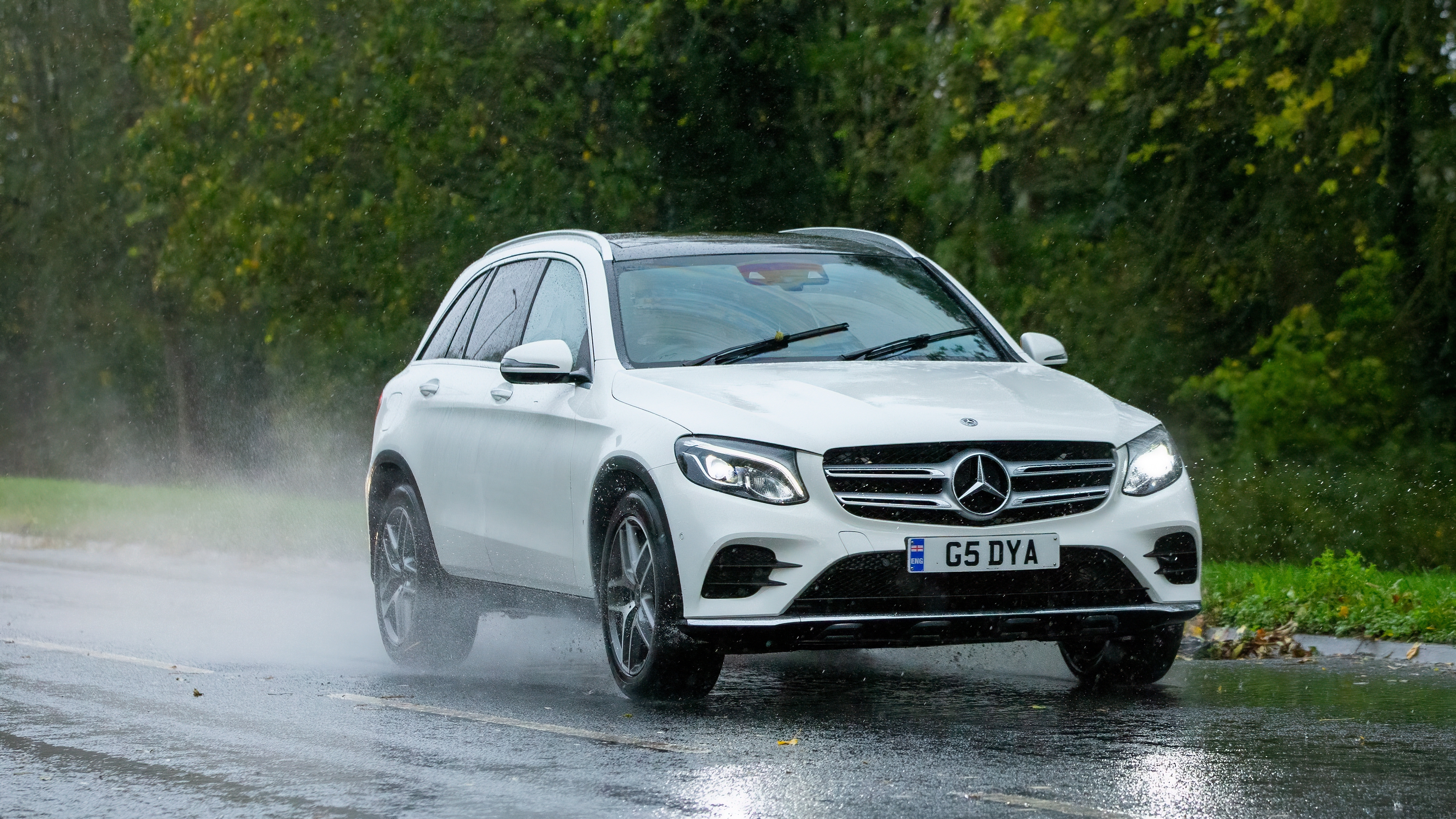
Diesel car taxes and Clean Air Zones explained
It’s important to understand Clean Air Zones if you get a diesel car. Clean Air Zones (CAZ) and London’s Ultra Low Emission Zones (ULEZ) were introduced to deter driving and therefore improve air quality in some UK cities.
Certain vehicles produce higher levels of harmful emissions like nitrogen dioxide, and so drivers have to pay a fee. That’s why you might also hear it being called the ‘toxin tax’. The cost to drive in these zones differs by location and vehicle type but is as much as £12.50 in London.
CAZ schemes are expanding across UK cities. The list in England currently includes:
Bath
Birmingham
Bradford
Bristol
London (ULEZ)
Portsmouth
Sheffield
Tyneside - Newcastle and Gateshead
Before driving into one of these city centres, it’s important to check whether your diesel vehicle meets local emissions rules. Euro 6 is the minimum emissions standard for diesel vehicles to avoid these daily charges. Most diesel cars made after September 2015 are Euro 6 compliant and therefore won’t be charged.
Are diesel cars being banned or phased out?
The UK government has confirmed that no new pure petrol or diesel cars will be sold after 2030 . Hybrid cars will still be available to buy until 2035, when only full zero-emission vehicles will be allowed. It’s important to note though that this applies to new vehicle sales only. It does not affect cars already on the road. Existing diesel cars remain legal to own and drive.
So, what will happen to diesel cars in the next 5 years? The main changes are likely to be stricter city emissions rules and fewer new diesel models being made as we shift towards hybrids and electrics. Many manufacturers are already scaling back diesel options, particularly for smaller cars.
This is a gradual transition rather than an immediate change, but it could still be worth factoring into your decision.
Can I still use my diesel car after 2030?
Yes, existing diesel cars can still be driven after the new car sales ban comes into force. There is no requirement to scrap or sell their car as a result of the ban. You can still own a diesel car, you just won’t be able to buy a new one.
But, Clean Air Zones (CAZ) and ULEZ rules are separate from the ban, and these may still affect older diesel cars. So while your car remains legal to drive, the cost of using it in some areas may increase.
Will diesel cars lose value?
Yes, diesel car values have been falling and this trend is expected to continue. There are a few key factors driving this: the growing ULEZ/CAZ restrictions, the upcoming sales ban, general changing buyer sentiment, and the growing popularity of EVs and hybrids.
The newer Euro 6 compliant diesels tend to hold their value better than older pre-Euro 6 models. Older diesels generally depreciate faster. But it’s still worth bearing this in mind if you are thinking of buying a diesel car now.
The future of diesel cars in the UK
So what’s the future for diesel cars? There’s certainly been a shift away from diesel engines and sales of both new petrol and diesel cars will be banned from 2030.
As new diesel car sales are banned from 2030, you might face higher maintenance costs or struggle to sell your diesel car in the future due to decreasing demand. But, used diesel cars will be bought and sold after the 2030 ban. And, while older and dirtier diesel engines may be banned completely, modern models that are cleaner and don’t exceed emissions limits could remain on the road.
Even so, some manufacturers are moving away from diesel engines with Porsche, Suzuki, and Toyota all announcing that they plan to slow down or stop manufacturing diesel vehicles completely.
Should I sell my diesel car?
With all this in mind, should you try to sell your diesel car now? There’s no right or wrong answer, the best choice for you will depend on what’s important to you and your individual circumstances. When the ban on new diesel car sales comes into force in 2035, it won’t prevent diesel cars being bought and sold on the used car market so there’s no need to panic and get rid of your car immediately.
But, prices are falling and it’s unlikely that they will pick back up in the future. If you live in a city or own an older diesel car, you might want to consider your options and act sooner rather than later. There are generous scrappage schemes available and some local authorities are also offering financial incentives to encourage diesel drivers to swap to a different type of car.
Should I buy a diesel car?
Ultimately, buying a diesel car could still make sense for you if you have high annual mileage or need extra pulling power for towing. But, with growing restrictions, the rise of clean air zones, and more incentives for electric cars, it’s important to think about if it's worth it long term.
If you primarily drive in urban areas or have lower annual mileage, it may be more cost-effective to consider a petrol, hybrid, or electric car instead of a diesel, especially when factoring in the cost of ULEZ charges and rising fuel costs.
Consider the impact of higher fuel and maintenance costs on your monthly payments too. Diesel cars may also incur higher interest rates due to their environmental and resale value risks.
If you are unsure whether a diesel car fits your budget or long-term plans, we recommend consulting with a financial advisor first.
Should I switch to an electric or hybrid car?
There are advantages and disadvantages to switching from a diesel to an electric or hybrid car.
Price is one factor to think about. Though hybrids and electrics may be more expensive to buy outright, they are generally cheaper to run and maintain than diesel cars.
Electric cars also produce zero tailpipe emissions so you can avoid CAZ and ULEZ charges that can add up if you live in those cities. Hybrids generally produce lower emissions than petrol or diesel vehicles, but they’re not all exempt from charges.
Another factor is the cars available to you. The used car EV market is also still quite small in comparison, but you could find it easier to resell than a diesel in the future as greener alternatives become more mainstream.
Having said that, the UK's electric vehicle charging infrastructure is still quite limited as it stands. This could lead to issues if you currently drive your diesel car on long motorway trips. In this case, a hybrid might be a better fit for you if you do decide to switch.
At Car Finance 247, we’ll try to help you find your new car on finance, whether it’s a diesel model or something else!
If you want personalised advice around buying a car or car financing options, please consult a financial advisor. This guide provides general information and is not a substitute for professional financial advice.