How the 2035 Ban on Petrol and Diesel Cars Impacts Today’s Car Buyers


If you're thinking about getting a new car, you might be wondering how the UK Government’s 2035 ban on new petrol and diesel cars will affect car finance options, especially for electric and hybrid cars.
To help clear up any questions, we’ve covered what the ban means for car buyers and what it means for car finance moving forward.
What is the 2035 petrol and diesel ban?
The UK government has announced a ban on the sale of new petrol and diesel cars by 2035 (originally 2030, but this was pushed back). From 2035, car manufacturers will no longer be allowed to sell new petrol and diesel cars, but you’ll still be able to buy and drive used ones.
The ban is part of the government’s plan to reduce carbon emissions and encourage more people to switch to electric. Hybrid cars that can drive far on electric power alone will still be allowed until 2035, but mild hybrids could be phased out.
How will the petrol and diesel car ban affect car finance?
Because it's a major shake-up for the car industry, the 2035 petrol car ban will have an impact on car finance too. Here’s how it could affect different aspects:
More competitive deals for EVs and hybrids
As we get closer to the ban, car manufacturers and lenders might be expected to push more attractive finance deals on electric and hybrid cars to encourage people to make the switch to electric. This could mean lower interest rates, better lease terms and reduced deposits for EVs compared to petrol and diesel cars.
Please note: Finance terms, including interest rates and monthly payments, are subject to your creditworthiness. Always ensure the monthly payments and any additional costs are affordable for your personal circumstances.
Reduced availability for petrol and diesel cars
You might find it harder to get a competitive finance deal on a petrol or diesel car closer to the ban. As lenders will shift their focus to electric and hybrids, car finance deals could become more expensive or difficult to get.
After the 2035 petrol and diesel ban comes into effect, lenders may also become more cautious about offering finance for petrol and diesel cars. Cars that are no longer in production tend to depreciate faster, which makes them a higher risk for lenders.
Please note: Lenders are required to assess your ability to repay any finance agreement, including considering the potential depreciation of petrol and diesel cars as the ban approaches. This could affect the terms of the agreement, such as the interest rate or deposit.
EVs and hybrids will have more value
With petrol and diesel cars to be banned from 2035, the value of EVs and hybrids is expected to hold up better over time. This is because demand for petrol and diesel cars will likely fall as the ban approaches, while EVs and hybrids will become more popular. So, if you decide to sell down the line, you could get a better return for your money on a hybrid or electric car.
If you choose to finance a petrol or diesel car, it is important to be aware that it could depreciate more quickly once the ban is in effect. This may affect its resale value and your overall finance agreement.
Remember: Car finance agreements are long-term commitments. Ensure that the full cost of the finance agreement, including interest, fees, and monthly payments, fits within your budget and long-term financial plans.
Will the 2030 ban affect my current car finance?
No, if you have an existing car finance agreement, the 2035 ban won’t affect it directly. Finance agreements like Hire Purchase (HP) and Personal Contract Purchase (PCP) will stay valid for their full term, even for petrol or diesel cars.
But, you should consider your car’s resale value if you want to trade it in for a new one when your PCP contract comes to an end.
In most PCP agreements, lenders set a ‘guaranteed future value (GFV)’ for the car. This is the estimated worth of your car at the end of the agreement. If the value of petrol or diesel cars drops when more people switch to electric and hybrid cars, your car could be worth less than the GFV. You may then end up in negative equity, which means you owe more than the car is worth.
Please note: Always make sure you fully understand the terms of your finance agreement, including the GFV and potential risks of negative equity.
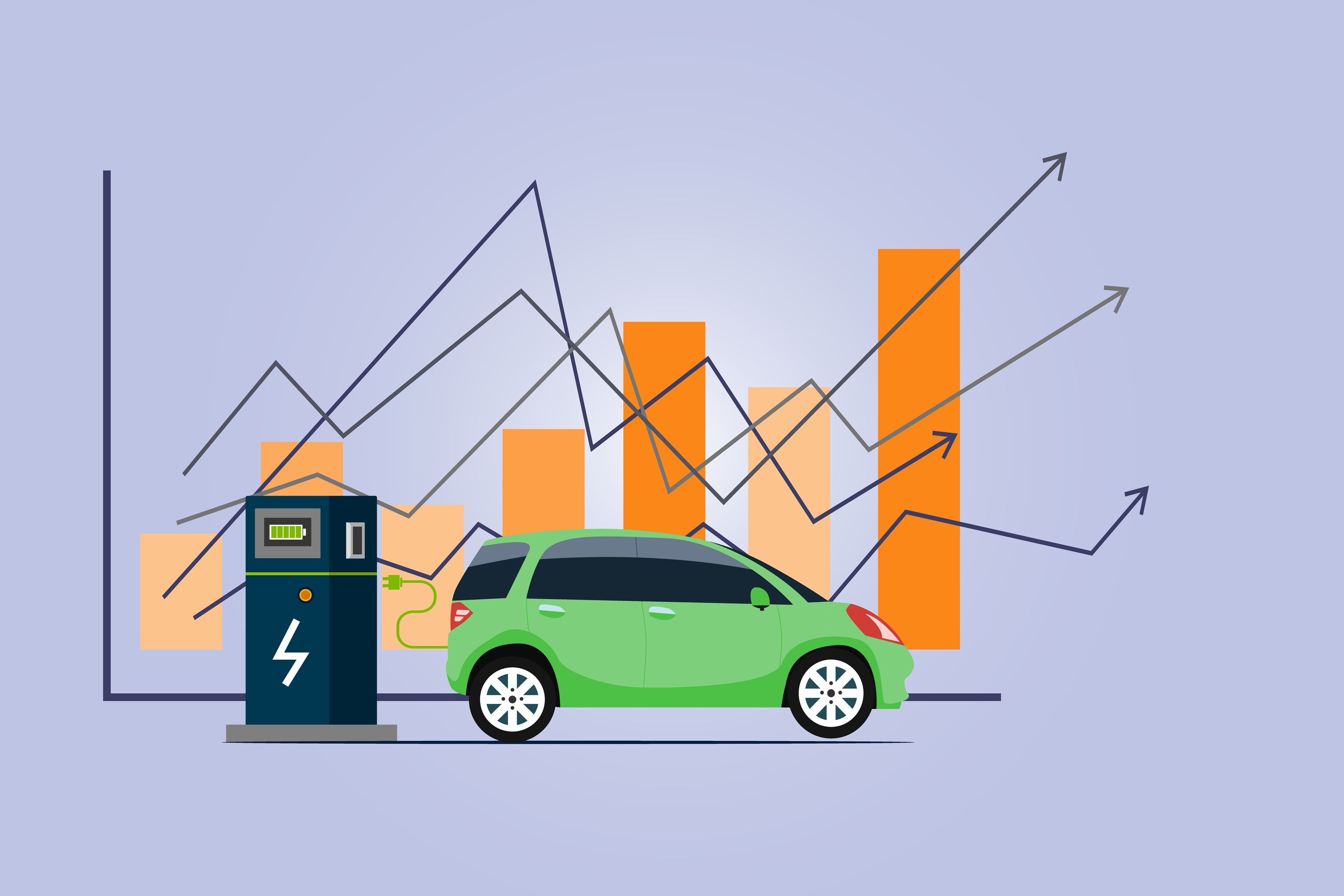
Should you still get car finance on a petrol or diesel car?
Even after the 2035 ban, you’ll still be able to buy a second-hand petrol or diesel car. But, finding one could become more difficult, as the market shifts toward EVs and hybrids. As the government wants to encourage a switch to electric, petrol and diesel cars are set to rise too. So, it’s really important to factor in the increased running costs.
Here are some risks to consider:
- Lower resale value: As the ban nears, petrol and diesel car prices may drop. This could put you in negative equity at the end of a PCP deal.
- Higher running costs: Fuel prices, road tax, and maintenance for petrol and diesel cars will likely rise. This is due to the government's shift towards electric vehicles.
- High emission rules: More cities might set up low emission zones (LEZ) or ultra-low emission zones (ULEZ). This could raise the cost of driving petrol or diesel cars.
A petrol or diesel car might still make sense for the short term, depending on your current needs. But, if you're concerned about potential rising running costs in the future, it could be worth considering an EV or hybrid. It’s important to assess your long-term financial situation and driving habits before making a decision.
How to finance an EV or hybrid
If you’re ready to make the switch, there are several car finance options to consider:
- Hire purchase (HP) – With HP, you might pay a deposit and then make fixed monthly payments over an agreed term, plus interest. At the end of the agreement, you own the car outright.
- Personal contract purchase (PCP) – With PCP, you might pay a deposit and pay monthly, plus interest. At the end of the term, you can choose to pay a balloon payment, return the car, or trade it in for a new model.
- Leasing (PCH) – With a lease, you pay a monthly fee to use the car for a set period. At the end of the contract, you hand the car back without the option to buy it.
The right choice for you will depend on whether you want to own the car at the end, and how often you want to switch up your car. Always consider your budget, long-term plans, and financial circumstances when choosing a finance option.
The takeaway
The UK petrol car ban in 2035 will mean a big shift towards EVs and hybrids. If you’re already considering an electric vehicle, you’re in luck. The rising demand for EVs and hybrids could mean more choices and better financing options for you.
If you're considering car finance on a petrol or diesel car now, it might still be a good option if you need a vehicle in the short term. But, keep in mind that as the 2035 ban approaches, the resale value of petrol and diesel cars may drop, which could affect their long-term value and your finance options.
Disclaimer: The information provided is for general guidance only. We strongly recommend seeking independent financial advice before committing to any finance agreement, to ensure the terms are suitable for your personal circumstances. Finance agreements come with risks, including potential changes in market conditions like the 2035 ban.